At Home Senior Care vs Assisted Living: Family Distance and Visiting Policies
Business Name: FootPrints Home Care
Address: 4811 Hardware Dr NE d1, Albuquerque, NM 87109
Phone: (505) 828-3918
FootPrints Home Care
FootPrints Home Care offers in-home senior care including assistance with activities of daily living, meal preparation and light housekeeping, companion care and more. We offer a no-charge in-home assessment to design care for the client to age in place. FootPrints offers senior home care in the greater Albuquerque region as well as the Santa Fe/Los Alamos area.
4811 Hardware Dr NE d1, Albuquerque, NM 87109
Business Hours
Families hardly ever pick a care strategy in one conversation. It tends to unfold over months, in some cases years, through medical facility discharges, excellent days that lift everybody's hopes, and difficult mornings that require new decisions. When relatives live nearby, the question typically narrows to a trade-off: is it much better to bring support into the home, or move a loved one into assisted living where care is centralized? The response depends upon two realities that shape every day life more than any pamphlet does, family proximity and going to policies. How simple is it to see each other, and what strings come attached?
I https://rentry.co/5dhgh6dx have sat at cooking area tables and in neighborhood lobbies with children, partners, and brother or sisters discussing this. The decision is seldom only about cost or clinical requirements. It is likewise about the pulse of the household, who can get there in traffic after work, whether grandkids can come by for ten minutes, and how versatile the guidelines are when plans alter. Below is a field-tested look at how at home senior care and assisted living compare when you consider distance, visiting gain access to, and the small logistics that add up to a life.
Family distance forms everything
Care is not just a service, it is a relationship, and distance identifies the rhythm. A daughter who lives twelve minutes away can drop off groceries, sit for a cup of tea, and notification modifications early. A boy who flies in once a quarter requires a strategy that stays steady without him. The practical truth, how close family and friends live to the elder, typically matters more than whether care occurs in a house or a residence.
In-home senior care keeps a loved one precisely where they already are, which is a relief when the house sits near adult kids, physicians, and community ties. Assisted living can bring someone better if the family selects a community near them, specifically if the elder's original home is far or separated. I have actually seen adult kids move parents throughout state lines to be closer to grandkids during academic year, then count on frequent, brief visits that would have never ever worked with long-distance travel.
The right option tightens up the circle. If many support is regional, elderly home care can utilize that proximity. If a lot of support is dispersed, an assisted living neighborhood near one trustworthy relative can anchor the plan.
The real checking out experience at home
Home is simple to visit, at least in theory. No check-in desk, no published visiting hours, no parking area half a block away. Next-door neighbors can knock, kids can tumble in after soccer, and routines feel casual. When it works, the casual drop-in ends up being the foundation of social contact.
The difficult part is coordination. Home care typically relies on a schedule, a senior caregiver arriving in windows that can move based on traffic, customer requirements previously in the day, or company load. If household arrives when the caregiver is assisting with bathing, self-respect considerations might indicate waiting in the living room or coming back later. This is not a barrier so much as a requirement for communication. Post a noticeable weekly intend on the fridge, share it with household by text, and ask the home care service for predictable windows. With 2 or 3 repeating time slots, relatives can construct routine visits around care jobs rather than on top of them.
For loved ones with cognitive impairment, the chaos of unmanaged gos to can produce overstimulation. A stream of well-meaning visitors in a small area can make an afternoon unravel. I advise a quiet-hour plan in the home, not a guideline so much as a practice, when the senior rests and the caretaker resets your home. Households do much better with a shared set of expectations, like no gos to throughout the first hour after waking or during medication pass times.
There are no official going to policies in a personal home, which is the advantage and the risk. Flexibility is invaluable when schedules alter, but limits need to be set by the main caretaker so the day does not fracture into interruptions.
The real visiting experience in assisted living
Assisted living communities normally advertise "open checking out," suggesting household can come most hours and as frequently as they like. In practice, there are rhythms. Mealtimes frequently run on a tight schedule, personnel prefer not to rearrange dining chairs mid-service, and some buildings lock exterior doors at night for security, needing a call to reception or a code to go into. None of this is a reason not to choose assisted living. It is just what makes a bigger operation work.

Policies differ by state, company, and even building manager. During respiratory infection season, neighborhoods sometimes ask visitors to mask or postpone if symptomatic. Private rooms normally allow visitors at any hour if the resident wants, however group activities may have limited guest seats. Every household must request the visitor policy in writing and then check it with a practical situation. Can a grandchild visited after an evening practice at 8:15 pm? Is there a peaceful spot for a private discussion if the roomie is sleeping? What about holiday crowds when three families come to once?
The upside is predictability. Nurses and caretakers handle the daily jobs, so going to can be social instead of logistical. Families who utilized to spend weekends scrubbing restrooms can shift to strolls in the yard or participating in a music hour together. The compromise is that some moments are less spontaneous and need more sign-in and planning.
When proximity argues strongly for home
I worked with a household where 2 adult kids lived within 3 miles in opposite instructions. They each stopped by for twenty minutes practically every day. Their mother still baked on Sundays and enjoyed her patio. In-home care made good sense. With a home care service covering early morning regimens and medication reminders, family handled social and transportation pieces. Your home was familiar, the church was around the corner, and the grocery delivery motorist knew the dog by name.
That sort of woven support is a superpower. A little bit from numerous people adds up to a safe environment. The senior home care plan flexed with her needs. When she broke a wrist, we added evening aid for 6 weeks for showering and meal preparation, then downsized. No move, no new environment to learn.
Family distance likewise assists with monitoring. In-home care workers can note changes, but a son who sees the kitchen and the clothes hamper everyday checks out the subtleties. Is the favorite mug sitting untouched for a week? Are sets of socks piled near the chair because flexing is hard? Those observations assist care hours and tasks more precisely than any assessment.
When distance argues strongly for assisted living
Assisted living shines when one or two reliable relatives can visit routinely, but the more comprehensive network is spread. Picture a daughter who lives fifteen minutes away, with siblings in other states. She can arrange 2 or 3 evenings a week to join her mother for dinner at the neighborhood, then go home understanding personnel will cover nights and early mornings. During a fever at 2 am, an on-call nurse can triage without waking far-off relatives.
Distance likewise matters throughout setbacks. After a hospitalization, the very first 2 weeks in the house demand additional alertness, more transfers, and modifications in medications. If household can not offer that level of oversight, a community with a nurse on site can fill the space. It is not only about safety. The child gets to be a child again, not the failed backup plan when the home regular cracks.
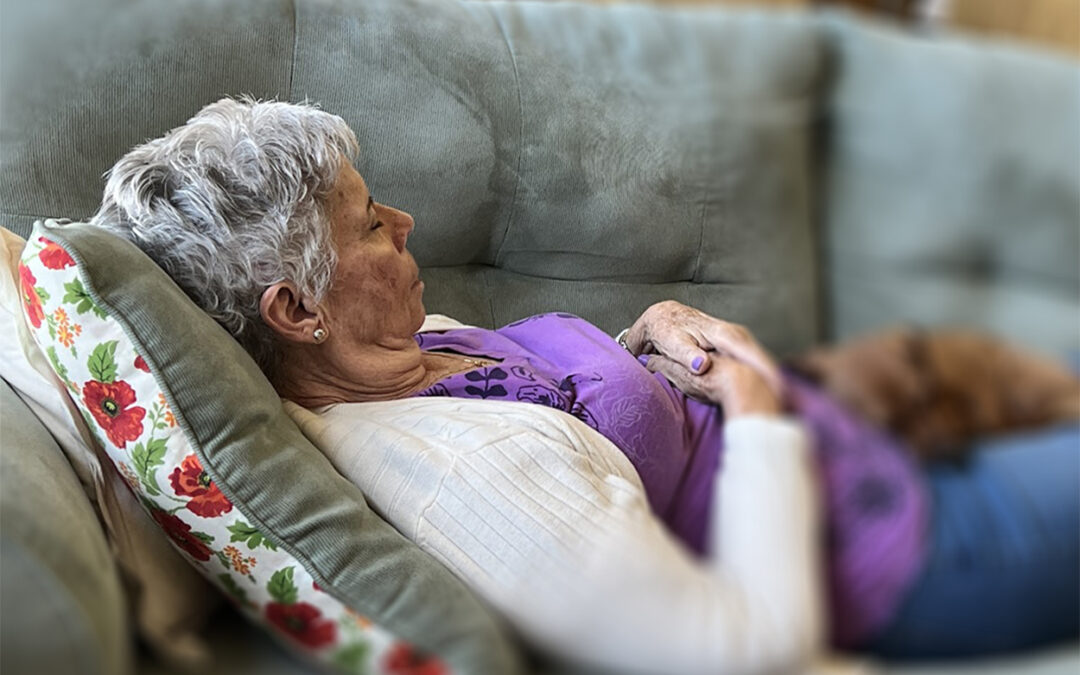
Communities often use short-term respite stays. This can be a reasonable test for households. Bring a parent for a month after a treatment, then decide whether to stay or return home with extra in-home care. If the commute is easy, family can visit daily while assessing how the resident does with activity programs and whether personnel truly address call bells quickly.
Flex, rules, and what "checking out" means day to day
Home's versatility is tough to beat, however it depends on human coordination. If a caretaker calls out, does the home care agency send a backup you trust? Can family step in at brief notification? Checking out becomes caregiving in those minutes, sometimes without caution. That is a fine trade for numerous homes, since it likewise indicates a neighbor can sit with a loved one while you run to the drug store, no consent needed.
Assisted living formalizes the system. There is a front desk, shift schedules, and regulated medication management. Visitors usually sign in. The structure can feel stiff to households used to totally free circulation, but it likewise minimizes the psychological load. When an elevator breaks or the hot water heater needs replacing, it is not the household's crisis. Visiting stays social, and holidays can be celebrated in typical rooms without cleaning up the yard or setting up extra chairs at home.
Every family ought to decide what sort of visiting they desire. 10 short, unwinded stops weekly in your home can be more meaningful than 2 long sees in a building that is a 45-minute drive. Or the opposite, a single long supper in a neighborhood dining room with a piano player can beat three rushed ten-minute check-ins after work.
Infection control and the lessons families keep
The pandemic changed going to policies all over. Neighborhoods still bring that institutional memory. During spikes in influenza or RSV, some buildings tighten up gain access to briefly. Home has more control over direct exposure, however the compromise is that the household becomes the policy. Who keeps away after a cough? Does the grandchild use a mask after a class outbreak? These choices fall on spouses and adult children.
For immune-compromised senior citizens, both settings can work with extra actions. At home, limitation large events inside your home and shift to patio sees or brief strolls. In assisted living, inquire about private spaces where you can visit without being in a congested lobby, and learn whether the community provides virtual visit tools for weeks when care makes good sense. Great communities learned to keep connections opting for FaceTime stations, window sees, and reserved time slots. Families can ask to keep those alternatives in reserve for high-risk seasons.
The quiet power of practice and place
Long-set habits can be vulnerable. A widower who walks his specific block each morning with a next-door neighbor may not replicate that regular inside a larger building, even if the community has a looped hallway and a monitored garden. Keeping him at home with in-home care may preserve that ritual, with a home caretaker timing breakfast so he is out the door on schedule and back with coffee ready.
On the other hand, individuals who have withdrawn in some cases rebound in assisted living. I viewed a retired instructor who withstood visits in the house become a routine at the morning crossword group in her new home. Her daughter could visit after work, join the group for 10 minutes, then have a personal chat in the library. Checking out was much easier because the social spark was currently lit by the time household arrived.
Neither course assurances social connection. It originates from intentional preparation. In the house, that might imply a calendar with 2 structured activities a week, supported by a caregiver who drives and remains. In assisted living, it might mean ensuring personnel know the resident's interests so they can nudge them toward a craft session or walking club that fits their personality.
Money, time, and the hidden cost of distance
Families often run numbers on month-to-month costs versus hourly rates. They should, and they need to include time. A 30-minute drive each way modifications everything. A relative who could visit 5 days a week if the drive were 10 minutes might only manage once if it is an hour loop. Over a year, that adds up to dozens of lost contacts.
With at home senior care, costs are typically hourly. Typical private-duty rates vary by area, often somewhere in the mid twenties to low forties per hour for non-medical assistance. Numerous households start with 12 to 20 hours a week, then increase after a hospitalization or as mobility decreases. Assisted living normally charges a monthly base rent plus a care level fee. In lots of markets that can vary from a few thousand dollars a month at the low end to significantly more when care requires rise. Compare these with realism about how much household can supplement. If relatives supply three hours a day of assistance without strain, in-home care stays lean. If relatives can just visit weekly, assisted living's bundled services might deserve the premium.
Insurance seldom streamlines this. Conventional Medicare does not spend for continuous personal care, in your home or in assisted living. Some long-term care insurance coverage do, however benefits and removal durations differ. Veterans and certain state programs can offset expenses, especially for home-based services, however eligibility is specific. Always validate and never ever assume.
The human logistics of visiting
Parking is mundane until it is not. I have watched grandchildren weep in rear seats while moms and dads circle a full lot before a vacation recital in a community theater. Ask about visitor parking and overflow alternatives. In the house, street parking works up until snow season or city limitations bite. Consider lighting for night check outs, specifically if the walkway ices.
Timing matters, too. Numerous senior citizens fade after mid-afternoon. In assisted living, lunch can be a better going to anchor than dinner. In the house, early mornings may be calmer if sundowning is a factor. Match going to schedules to energy curves. Brief and frequent beats long and unusual for lots of elders.
Bring something that bridges the visit into the day. A half dozen photos to sort, a preferred pastry, the newspaper crossword, or the dog. In a home, those products blend into familiar environments. In a community, they make a brand-new area seem like a continuation of family life. I once saw a grand son bring a portable record gamer to his granny's space. They listened to one side of a Sinatra album every Saturday. The personnel learned the practice and made sure her chair faced the window at the right time. Going to policies fade into the background when routines take root.
Caregivers as part of the going to equation
In-home caretakers play host in a sense. They can establish the space so checking out is comfy, offer tea, and quietly enter the kitchen when household gets here, then reappear when help is required. The very best senior caregivers comprehend family rhythms and know when to give personal privacy. A strong firm will coach caretakers on helping with gos to, not only completing tasks.
In assisted living, staff are more noticeable. They might come by to administer medications or invite the resident to an activity while you are going to. Find out names, state thank you, share updates. Staff who understand family patterns and preferences will support them. If you like to walk in the courtyard with your father at 3 pm on Sundays, ask staff to have him prepared without a cardigan he constantly sheds halfway through.
Visitors who become part of the care group's rhythm get better outcomes. Share little intel. If your mother consumes much better when she begins with soup, tell them. In both settings, the easiest information can keep routines consistent when you are not there.
Edge cases that alter the equation
Every general rule has exceptions. Distance can diminish in emergencies with virtual tools, or it can broaden when a caretaker gets ill. Think about these scenarios while you still have choices.
- A partner still in the house starts to decrease, and the caregiving elder becomes the vulnerable one. In-home care can support the pair, however if the caregiving spouse collapses, the plan needs to pivot quick. Assisted living together may be much safer, or a split strategy with one in the house and one in respite care.
- A senior with changing cognition succeeds in familiar environments most days, then wanders. Home can deal with door alarms and overnight guidance, however just if someone is close sufficient to respond quickly. Assisted living memory care locks doors for security, however households require to verify how wandering is managed throughout hectic times.
- A household prepares to move in two years for work. It might be wiser to select assisted living near present support, then review options after the move, instead of build a home care plan that will need to be rebuilt soon.
Questions families need to ask before they choose
Here is a compact list to bring to tours and care planning meetings. Use it to separate pamphlet guarantees from lived reality.
- How far, in minutes not miles, is the elder from the primary visitor on a weekday at 5 pm?
- For home care, what is the backup strategy if a senior caretaker calls out? For assisted living, how are short-staffed shifts handled?
- What are the exact visiting policies by time of day, vacation, and during breathing illness peaks?
- Where do gos to really happen, and is there a personal location for delicate conversations?
- What weekly routine can household dedicate to that fits the elder's energy curve and the setting's routines?
How to try before you decide
Tests save remorse. In-home care can start little, 2 or 3 shifts a week, to see how your loved one reacts to another individual in the house. Lots of seniors resist the idea of "hiring assistance" up until they satisfy the right person who respects their independence. Start with specific jobs, like transport to physical treatment and light lunch prep, then include morning individual care if it works out. Keep notes. If household gos to feel simpler and your loved one appears more rested, the plan is working.
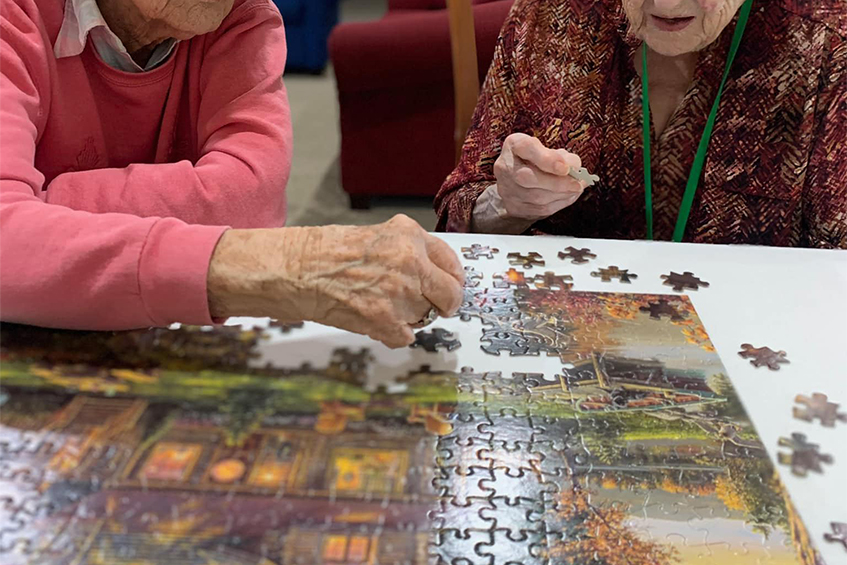
Assisted living provides tours that expose only a lot. Much better to visit unannounced throughout a weekday evening to see genuine traffic. Take note of odors, not simply cleanliness but whether the structure smells like a location you would want to remain. If possible, sit in on an activity without the sales director. See whether personnel greet homeowners by name and whether residents welcome each other. Set up a trial respite remain if the neighborhood permits it. Throughout that window, hold to your typical checking out pattern and see whether the building's rhythms support it.
A practical way to decide when range is tight
If your loved one lives within a 15-minute drive of two or more individuals who can visit frequently, in-home care likely optimizes household contact with very little friction. If sees need more than thirty minutes each method for a lot of relatives, and only one individual can come weekly, assisted living near that person most likely offers more consistent assistance and easier going to. If the distances are blended, think about a hybrid, home care now while you plan a transition to assisted living near the primary relative within the next year. Anchoring choices to time-on-the-road keeps you honest.
The heart of the choice
Proximity and visiting policies are not line products. They are the day-to-day fabric of a loved one's life. Home care can keep precious routines undamaged and let family flow in and out with ease, as long as someone coordinates attentively and your home is available. Assisted living can turn limited household time into quality time by offloading chores and supplying a safe backdrop, as long as the building's rules do not constrain the moments that matter.
Use your calendar and your map. Stroll through a week on paper. Mark commute times, visiting windows, and the energy curve of the person you enjoy. Then take a look at what each setting offers, not in theory but in lived hours. The best choice is the one that maintains connection with the least friction, supported by a care plan that stays constant when life gets untidy. Whether that indicates in-home senior care woven around a hectic household or a well-chosen assisted living neighborhood down the road, you will understand it by how simple it is to show up, sit down, and be with each other.
FootPrints Home Care is a Home Care Agency
FootPrints Home Care provides In-Home Care Services
FootPrints Home Care serves Seniors and Adults Requiring Assistance
FootPrints Home Care offers Companionship Care
FootPrints Home Care offers Personal Care Support
FootPrints Home Care provides In-Home Alzheimer’s and Dementia Care
FootPrints Home Care focuses on Maintaining Client Independence at Home
FootPrints Home Care employs Professional Caregivers
FootPrints Home Care operates in Albuquerque, NM
FootPrints Home Care prioritizes Customized Care Plans for Each Client
FootPrints Home Care provides 24-Hour In-Home Support
FootPrints Home Care assists with Activities of Daily Living (ADLs)
FootPrints Home Care supports Medication Reminders and Monitoring
FootPrints Home Care delivers Respite Care for Family Caregivers
FootPrints Home Care ensures Safety and Comfort Within the Home
FootPrints Home Care coordinates with Family Members and Healthcare Providers
FootPrints Home Care offers Housekeeping and Homemaker Services
FootPrints Home Care specializes in Non-Medical Care for Aging Adults
FootPrints Home Care maintains Flexible Scheduling and Care Plan Options
FootPrints Home Care is guided by Faith-Based Principles of Compassion and Service
FootPrints Home Care has a phone number of (505) 828-3918
FootPrints Home Care has an address of 4811 Hardware Dr NE d1, Albuquerque, NM 87109
FootPrints Home Care has a website https://footprintshomecare.com/
FootPrints Home Care has Google Maps listing https://maps.app.goo.gl/QobiEduAt9WFiA4e6
FootPrints Home Care has Facebook page https://www.facebook.com/FootPrintsHomeCare/
FootPrints Home Care has Instagram https://www.instagram.com/footprintshomecare/
FootPrints Home Care has LinkedIn https://www.linkedin.com/company/footprints-home-care
FootPrints Home Care won Top Work Places 2023-2024
FootPrints Home Care earned Best of Home Care 2025
FootPrints Home Care won Best Places to Work 2019
People Also Ask about FootPrints Home Care
What services does FootPrints Home Care provide?
FootPrints Home Care offers non-medical, in-home support for seniors and adults who wish to remain independent at home. Services include companionship, personal care, mobility assistance, housekeeping, meal preparation, respite care, dementia care, and help with activities of daily living (ADLs). Care plans are personalized to match each client’s needs, preferences, and daily routines.
How does FootPrints Home Care create personalized care plans?
Each care plan begins with a free in-home assessment, where FootPrints Home Care evaluates the client’s physical needs, home environment, routines, and family goals. From there, a customized plan is created covering daily tasks, safety considerations, caregiver scheduling, and long-term wellness needs. Plans are reviewed regularly and adjusted as care needs change.
Are your caregivers trained and background-checked?
Yes. All FootPrints Home Care caregivers undergo extensive background checks, reference verification, and professional screening before being hired. Caregivers are trained in senior support, dementia care techniques, communication, safety practices, and hands-on care. Ongoing training ensures that clients receive safe, compassionate, and professional support.
Can FootPrints Home Care provide care for clients with Alzheimer’s or dementia?
Absolutely. FootPrints Home Care offers specialized Alzheimer’s and dementia care designed to support cognitive changes, reduce anxiety, maintain routines, and create a safe home environment. Caregivers are trained in memory-care best practices, redirection techniques, communication strategies, and behavior support.
What areas does FootPrints Home Care serve?
FootPrints Home Care proudly serves Albuquerque New Mexico and surrounding communities, offering dependable, local in-home care to seniors and adults in need of extra daily support. If you’re unsure whether your home is within the service area, FootPrints Home Care can confirm coverage and help arrange the right care solution.
Where is FootPrints Home Care located?
FootPrints Home Care is conveniently located at 4811 Hardware Dr NE d1, Albuquerque, NM 87109. You can easily find directions on Google Maps or call at (505) 828-3918 24-hoursa day, Monday through Sunday
How can I contact FootPrints Home Care?
You can contact FootPrints Home Care by phone at: (505) 828-3918, visit their website at https://footprintshomecare.com, or connect on social media via Facebook, Instagram & LinkedIn
The Albuquerque Museum offers a calm, engaging environment where seniors can enjoy art and history — a great cultural outing for families using in-home care services.